Saturday, December 8, 2007

Indian Railways

Image result for long distance trains india


The Indian railways is one of the oldest and largest rail networks in the world. It spans the length and breadth of the country connecting almost every big and small city and town you can think of. Rail travel in India can be a fun filled way of exploring the country.

The experience inside a second class train compartment - and we strongly recommend second class rail travel for tourists - is varied, exciting and enriching when compared to the often drab and boring confines of an airplane. Whenever you have to travel relatively short distances (like Bombay to Goa or Bangalore to kerala), please do use trains. You’ll love the experience.

A combination of rail and air journeys is the way to go. For very short journeys, you may also use state government luxury buses. For some destinations, a bus may be the only available option.

Always book your tickets a few days in advance, and check if you’re given a confirmed ticket. If not it needs to be confirmed before you can board the train. You can do that one day in advance.

I must confess here that the system is not very clean, and ticket collectors sometimes help you confirm your tickets (in case you’re not able to) just before departure for a small “fee”. Nobody knows how they do it, and nobody ever bothers to ask. Never approach touts on the platform. It’ll cost you a lot more. Ticket collectors in India wear a white uniform with black coats and are easily recognizable.

That said, ticket collectors or TC’s as they are commonly referred to can be very helpful and assist you if porters and touts pester you. They board the train with you to check passenger’s tickets and are actually a friendly lot. Most are very talkative and passionate about the railways and can provide you with a lot of information if you care to ask.

You can book any rail journey to any place in India from any railway station that services outstation trains and there is one in every city and small town. And yes most of the time you will be given a confirmed ticket. 

You can book your journey online from anywhere in India or abroad, either yourself or through a travel agent, but doing it across the counter is a lot more interactive and offers more flexibility.

For online booking please visit - http://www.irctc.co.in

Almost all railway platforms in India have small shops that stock everything you’ll need for your journey from tea/ coffee/ juices to branded potato crisps and bottled water. Do buy light snacks that will keep you busy during your journey and don’t forget drinking water. Always carry a high beam torch and spare batteries when you travel. It can be very useful.


All long distance trains in India have pantry cars that sell tea/ coffee/snacks/packed lunch and dinner. Egg biryani or egg pulao is as far as they go in non vegan food. No meat/ poultry/ fish etc is served on any train. That in any case is good while traveling, and shouldn't be an issue.

The pantry service is licensed by the Indian railways to private caterers and quality and hygiene has sometimes been an issue . Uniformed pantry staffs come to you selling the appropriate food item for that time of the day, and take orders for meals. Tea/ coffee are served at regular intervals and food is reasonably priced.

And yes, do interact with fellow travelers. They know more about your destination than you do. If you’re smart enough, you can learn from them.

Always carry enough small change when you travel. Trains stop at some stations along the way for less than five minutes, and vendors immediately hop in selling their wares. If you buy something for rs.10 and pay rs.100, he would simply pretend he has no change and play for time knowing the train will move anytime. When it does, he simply jumps out and with him the rs.90 he owed you. This is a common ruse used by vendors in trains. Didn’t we tell you that rail journeys can be a colorful and enriching experience?

Don’t ever buy any items of food from these vendors in trains unless its groundnuts, which should be fine.

Smoking on railway platforms and trains all over India is prohibited. Remember that most trains in India don’t have doors that shut automatically once you’re inside, unless it’s the metro which are local trains anyway.Most of the time the doors are wide open and Indian railways seem to think that closing the doors is the passenger’s responsibility. And to be fair, unless you have suicidal tendencies it isn't really an issue. 

Just one last thing - rail travel in India is cheap and exciting. Use the cash you save to pamper yourself. How about a meal in a five star hotel or treating yourself to a wonderful spa experience or both?

And if you've seen pictures of crowded Indian trains with passengers traveling on the roof, those are local trains during peak hours. Many of them travel without tickets too. We've told you elsewhere in this blog that many western standards may not even be practical here.

As you go back to your own country, you may fall in love with India or simply hate it, but this is one country you’ll always want to come back to, because of that eerie feeling that you've left a part of you behind.

Pharmacies

Image result for pharmacies in india
Drug stores or chemists as you know them and medical shop as most Indians will understand it, are easy to locate anywhere you go. Many major global drug manufacturers have been in India for a long time and include Wockhardt, Pfizer, Cipla, Glaxo Smithline and Indian majors like Ranbaxy and Dr.Reddy among others, so be assured of quality.

Hospitals and bigger nursing homes have 24 hour pharmacies in their premises and you will surely find one close by, should the need arise. Many states in India require chemists to ask for a prescription before they dispense, so please carry them along. You may also bring your regular medication with you.

If you have a known medical history, please carry copies of your medical records. Lone travelers are advised to hand over a copy of their medical history to the reception desk at hotels where they check in. In the event of an incident, the staff could hand it over to the consulting doctor thus saving precious time.

Medical Facilities

Image result for aiims HOSPITAL delhi

Medical facilities in India operate on the - you get what you pay for model. Some state run hospitals are well maintained but even Indians who can afford a better alternative generally shy away from them. Most government hospitals are not maintained well, and this could be the reason why private hospitals in India are very expensive.

Major private hospitals in India are well known and should surely be on your insurance companies list of approved hospitals. Worthy of mention here are the Apollo Hospitals group (many cities), Manipal Hospital and Heart Foundation (Bangalore), Escorts in Delhi and Breachcandy and Hinduja hospitals in Mumbai besides many others.

Private hospitals and medical facilities in India are comparable to the best in the world and people come from all over the world including the UK and the United States for surgeries because of long waiting lists in their country and India's reputation as an excellent medical destination.

In fact many tourists combine healthcare (including dental treatments) and tourism and the concept has come to be known as - medical tourism.

If you do need a hospital in any city you are in, ask for Mission Hospitals as they're commonly known here. If available, they should be your first choice. Nothing modern or fancy. Just old world charm and good doctors and treatment. Very affordable. 

Prominent among them is the Christian Medical College and Hospital, Vellore (Tamil Nadu). Founded in 1900 by American missionary Dr. Ida Scudder, it is ranked among the top five in the country.

Note that treatment at private hospitals in India is very expensive, so make sure your medical insurance covers it.

Some of the best hospitals in India include: (click links to go to website)

Tata Memorial Hospital (cancer) - Mumbai (charitable)

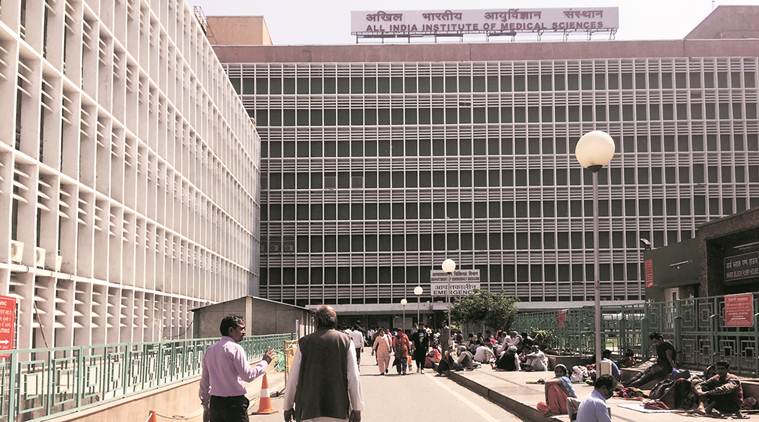
AIIMS - New Delhi - Govt. run and caters to top politicians in India including the Prime Minister....and that could be the reason for top quality. (pictured above)

CMC Hospital Vellore - Christian Non-profit

Jaslok Hospital Mumbai

Breachcandy hospital Mumbai

Bombay Hospital Mumbai

Kokilaben Ambani Hospital

Hinduja Hospital Mumbai

Hiranandani Hospital

Manipal Hospitals 

Narayana Health Group

Apollo Hospitals Group - Locations

Fortis Hospitals Group - Locations

The Maximum Retail Price

Related image

Please be aware that all food and non food packaged products in India have a maximum retail price listed on them, and that price by law, has to include all taxes. In other words a customer cannot be charged any more than what is indicated on the packaging.

This applies to all essential commodities sold in groceries and supermarkets. In case of fancy goods and gift items, the price on the box is more of a joke as most retailers will sell you for less than half that price, if you play your cards well.

If you need to buy any gift articles or clothes you're better off shopping at supermarkets or a large store or shopping plaza as prices though higher than the small shops, are generally fixed and all items have price tags on them. You may end up paying a slightly higher premium for the convenience and luxury of shopping at a big store but not beyond that. If you step in at the right time, discounts may also be available.

When you shop at smaller shops where prices are open to bargaining, you may end up paying 3 - 4 times as much as a larger store simply because you had no idea of the right price. And when you don't know the approximate cost, you can't really bargain effectively.

Shopping at larger stores and government emporiums is a good idea and could in fact work out cheaper than smaller shops as larger stores won't cheat you. 

Please be informed that there are government emporiums and government approved emporiums. These are marked accordingly under the name and government approved emporiums are to be avoided as they are no better than petty shops as far as fleecing innocent tourists is concerned. 

Government emporiums are directly controlled and staffed by the government and will never cheat you.

Wednesday, December 5, 2007

Smart Shopping

Image result for street shopping in mumbai

Shopping in India can be an enjoyable experience. Shopping districts in every city are well known and you should have no difficulty locating them. If you’re looking for ethnic outfits, there are plenty of shops selling them everywhere. 

But buying clothes from shops on the street is much cheaper if you can bargain. A workaround is to ask other shoppers to bargain on your behalf. They understand your predicament and would gladly help. Textiles have come a long way and you almost never have to worry about quality anymore.

Remember that except at places like hotels, pubs and commercial services rendered like laundry, porters etc people don’t expect anything from you. They will gladly help you if you approach them but like I've already said – don’t approach the wrong people.

If you happen to visit Mumbai (Bombay) don’t miss the – chor bazaar – literally translated as the thieves’ bazaar. Especially if you’re an interior designer or an antiques collector this place is a treasure trove. Located right in the middle of the city just off one of Mumbai’s busiest roads (Mohammad ali road) it’s probably as old as Mumbai itself.

Spread over a vast area, you’ll find everything from the proverbial pin to elephant here. The place is very shabby and you have to look very hard to find something that interests you. Of course you have to take it back and restore it to its original condition.

This place is a favorite haunt for designers and architects and unless you share their passion, you can give it a miss. And yes, if you think you’re good at bargaining, Mumbai’s chor bazaar can put you to the ultimate test.

Also recommended are the state emporiums. You’ll find them in many cities you visit. They are very spacious and offer a quiet, peaceful ambience in sharp contrast to the world outside. If you plan to buy expensive carved teak or rosewood furniture, tribal works of art, tribal paintings and handicrafts etc, you can buy them here.

It’s a little more expensive but authenticity and quality is guaranteed. You get a bill, and more expensive carved furniture and other exclusive items come with a certificate of authenticity. They also arrange to ship large items to your location.

If you want to buy small sandalwood items and other genuine decorative items for your home, emporiums are a nice place to shop. They also stock quality textiles and readymade garments. Emporiums in south India are a nice place to shop for silk ties.

Even if you don’t want to buy, do visit state emporiums in every city, just for a glimpse of local handicraft and artefacts from that state. Staffs in emporiums leave you alone to go around the place at leisure, and seldom approach you, unless you have a query.

If you just want to buy cheap trinkets and souvenirs, you may buy them outside where they’re cheaper. Try buying them while you’re shopping. Vendors at tourist places like palaces, monuments and parks can be expensive.

Shopping Tip - Never shop in haste. Keep aside a full day for shopping at leisure. Shopkeepers can sense when you’re in a hurry and will certainly take advantage of the situation. If you think they don’t understand your accent, think again. Many shopkeepers and even beggars in tourist areas speak more languages than you do.

Don’t buy brass items like vases, ashtrays, flower pots etc as these require regular cleaning and polishing, else they tend to fade and discolor.

There are major supermarket chains in India that have a presence in many cities. Notable among them are Reliance Fresh, Big Bazaar, Spencers, More, D Mart and Foodworld. They stock a wide range of products and many even stock select imported foodstuff you may be accustomed to, so do stock up on non -perishables when you are in a big city. You may not find those items in smaller towns.

Supermarkets in India are generally a little cheaper than local groceries, and regular discounts are available. And as all of them are owned and operated by reputed business houses, quality of goods is assured. Small groceries are located round every corner in every city across the country.

Bottled Drinking Water

Image result for mineral water india
India is not a third world country anymore, so you need not be concerned about basic amenities here. Drinking water at hotels is very safe. If you so desire, ask for boiled water and they should provide it. Tap water is not safe for drinking.

Most tourists however, prefer bottled mineral water which is widely available even in small shops. All brands may not be available everywhere, though some brands are found throughout India.

Buy them at regular shops on the streets. At places you may visit as part of your sightseeing itinerary, they may cost more. In fact, you’re advised to take along everything you need including light snacks on sightseeing trips, as everything will cost you more, should you decide to buy it there.

Cellular phone services and SIM card

Image result for child on mobile phone

With the Government of India tightening regulations on the sale of prepaid SIM cards to foreigners, you need to be prepared to submit the following documents to the vendor along with an application form:

2 color passport photographs of yourself.
A photocopy of the personal details page of your passport. You will also have to produce your passport for verification, after which it will be returned to you.
A photocopy of your Indian visa. Once again, you will have to show the original visa for verification.
A photocopy of the proof of your home address in your country of residence. This could be your passport, driver’s license or any other Government issued document. Remember to carry the original document along for verification.
Proof of where you will be staying in India. A letter from your hotel confirming that you are a guest will suffice.

Where to buy a SIM card:

On arrival in India, you can buy a SIM card at the international airport from the kiosks of mobile service providers such as Airtel or Reliance, which are located almost immediately after you clear customs.

Alternatively, you can also buy the SIM card from the stores of the cell phone vendors in the downtown areas, including shopping malls. The procedure for activation is similar with both options.

There are different voice/ data and combo plans with unlimited all India calls and internet usage of 1Gb to 3Gb daily from 30 days to 84 days. Choose wisely as per your requirement.

Recommended -

Reliance Jio (4g LTE phone only),
Airtel,
BSNL

Tuesday, December 4, 2007

Banking System


Image result for foreignbanks in india

India, being one of the fastest growing economies in the world today has a very extensive network of both public and private sector banks. 

The banking system in India is comparable to the best in the world, and covers the entire gamut of banking services from deposits to investment banking to currency exchange.

 Wherever you may be in India, you are never far from an ATM (there are over 80,000 of them all over India). Most are affiliated to MasterCard and Visa. 

Debit/ Credit cards are accepted at major travel agencies, airlines, private hospitals, most hotels (except low budget ones), speciality restaurants, supermarkets and large stores.

Customer banking hours in India is between 9.30 am to 2.30 pm. On Saturdays banks are open up to 12.30 pm. Some branches of public sector banks in certain places are open on Sundays and closed on Mondays. 

Most private banks are open to customers up to 3.00 pm during weekdays and 12.30 pm on Saturdays.

Most major foreign banks have been operating in India for a long time and your bank should be able to provide you with a list of branches in India and other details.

These banks operate in major cities only so please inquire about their locations in India if you need to avail of their services here.

Major banks in India include:

State Bank Of India (SBI)
Bank Of Baroda
ICICI Bank
Punjab National Bank
Bank Of India
HDFC Bank
Canara Bank
Axis Bank
Union Bank Of India
IDBI Bank
Kotak Mahindra Bank
Indusind Bank
Yes Bank
Syndicate Bank
Vijaya Bank
Andhra Bank

Foreign Banks operating in India include:

Deutshe Bank
BNP Paribas
Credit Agricole
Societe Generale
Bank Of America
Citibank
J.P Morgan Chase Bank
Goldman Sachs
HSBC
Barclays
Standard Chartered Bank
Bank Of Nova Scotia
Abu Dhabi Commercial Bank
Bank Of Ceylon
Credit Suisse
Sumitomo Mitsui Banking
Australia and New Zealand Banking Group
National Australia Bank
FirstRand Bank
DBS Bank
Mashreq Bank
RaboBank
Industrial and Commercial Bank Of China
Shinhan Bank
Woori Bank
Doha Bank
Qatar National Bank
UBS AG
Krung Thai Bank
Antwerp Diamond Bank

Airtel makes it easy to make payments in India as a foreigner:

It’s just become easier to make online payments in India as a foreigner. India’s largest mobile provider, Airtel, has just rolled out Airtel Payments Bank, a mobile wallet of sorts.

The great thing about the Airtel Payments Bank is that it basically gives you an online Indian debit card. The moment you deposit money in your Airtel Account, which can be done at a myriad of Airtel Stores throughout the country, you can start paying for things online using this debit card.

How to pay online in India as a foreigner with Airtel Money:

Get an Airtel sim card/phone number at any Airtel showroom. There’s also an Airtel stand right outside arrivals in the Delhi airport.

Download the My Airtel app (Android, iOS). Use a VPN and set your location to India if you’re having problems finding it in the app store.

Set up the My Airtel app.

Register for the Airtel Money Payments Bank through the wallet icon in the top right corner of the 

My Airtel app. It should take less than a minute.

Load Airtel money onto your sim card with cash. You can do this at any official Airtel store in India. 

Some have automatic payment machines, others you might have to convince the customer service rep to help you out.

Use the debit card number from your Airtel Payments Bank for all your future online purchases.

Travellers cheques are a thing of the past and most banks in your own country dont even issue them anymore. They are also not widely accepted.

There are over 200,000 ATM's in cities and towns  across the country.

Dressing Sense

Related image

India has a pleasant climate throughout the year except in Gujarat, Rajasthan and Delhi and a few other places, where it can get very hot and dry during the summer months. In most other states in India, summer is bearable, even for the foreign tourist

Light colored cottons are best suited to India’s climate for most of the year. Cargo trousers or shorts, sweat shirts and other casual attire are recommended. When it comes to footwear, sneakers or slippers/ sandals/ flip flops are always comfortable.

Many religious places like temples and some heritage monuments require you to leave your footwear outside. There’s a counter provided were you can deposit them for a small fee. You’ll always be given a token. 

No footwear is allowed inside the theTaj Mahal at Agra. You are provided with slip-ons and well advised to use them. The other option is to walk barefoot, but be informed that it’s hot marble, and your feet may not take kindly to it.

As a western tourist, you’ll never need warm clothing at most places in India, but places like Delhi, Himachal Pradesh (Kulu Manali), Shimla, the north eastern states, and some places in the south can get very chilly during the winter months. 

You may carry a light sweater and basic winter wear, irrespective of the season. You will need gloves in Delhi and a few other places, as temperatures can drop considerably during the winter months.

There is a possibility that you may encounter light non seasonal showers at some places, when you least expect it. An umbrella and/ or a light rain jacket should be a useful accessory. Anything more in India would be unnecessary.
If you have kids with you, it’s essential that you carry warm clothes and basic monsoon gear for them.


TIP – At some places, though rare, there may be no facility to deposit your footwear. You may be forced to leave them outside unattended, increasing chances of theft. Always buy and use cheap footwear and if your backpack can accommodate it, carry another light pair of slippers in case you need them.

Dressing Sensibly

While it’s advisable to wear cottons, which are best suited to the pleasant warm climate for most of the year, it’s wise to avoid revealing outfits. People may not trouble you, but India is a very conservative country and it’s best to respect local sentiments.

It’s been often observed that locals are more inclined towards tourists that dress in a locally acceptable way. Nobody expects you to wear a formal jacket and tie. What we do mean are skimpy outfits, and those are best avoided.

Trousers/ shorts/ sweat shirts should be perfect for both men and women. Many western female tourists also wear Indian outfits like churidars, which actually look very chic on them. Locals love to see foreigners in Indian clothes. It could help you to connect better.

Likewise, while holding hands is pretty common, that’s as far as it gets. Public display of affection like kissing is best avoided. Nobody will ever stop you, but it does affect people’s sensibilities and you will most certainly  manage to draw a crowd.

Public Toilet Facilities

Public toilet facilities in India are pathetic to say the least. Some social service organizations have been constructing good clean public toilets for a long time now but they are not available everywhere.

What you can do is walk into some hotel you come across and use their facilities. Most hotels won't refuse tourists and you could also pay a small fee as a token of appreciation.


Traditions and Customs

Image result for indian festivals

India is a country with a very rich, diverse and colorful fabric of culture, tradition and heritage. It is possibly the only country in the world where every hundred miles that you travel, not only does the topography of the region change, but also its people, customs, traditions, costumes, religions, gods, festivals, languages and just about everything is vastly different from what you just left behind. 


And it is this diversity that attracts the foreign tourist into India.
Indians in general understand basic english and most can speak enough english to be able to help you. So you shouldn't have any language problem here. If you don't speak english, it would be a good idea to carry a small hand book that translates common phrases from your native language into english.

Indians are very religious and hold their customs and traditions very dear. Religion is a very sensitive issue in India and any comment or remark is best avoided.

On the other hand, Indians love to tell you about their religion, customs and festivals. If you do get the opportunity to join a family for a festival, do not hesitate. They will treat you well. Just make sure you know them through a friend. Please don't go to any strangers house.

The Typical Indian

Image result for khau galli

Indians are well known for their hospitality, especially when it comes to guests and visitors. Should you ever need help, you just have to ask. People everywhere will be more than willing to help you. Just ask the right people.

The typical Indian is actually fascinated by the western tourist. Being avid television viewers  many are aware of western countries and standards. But they don’t understand the western urge to travel and many think foreigners are crazy to leave behind the comforts of their own beautiful countries and come to India.

They don’t quite understand your need to see and experience different places and cultures. Vacations are a relatively new concept in India and most Indians seldom travel beyond their home state, unless their job or business demands it.

Tourism here, like in other countries, is an industry and does have its pitfalls. Most tourist spots may have touts approaching you, offering services from sightseeing to putting you on a flight back home. Don’t pay attention to them. If you ignore them, they get the message.

Likewise, if you need directions on the streets approach the cops or shops in the vicinity and students. They’ll surely go out of their way to help you.

Never approach the wrong people standing in a street corner. They could view you as a potential source of income. Have you ever tried asking a family in a parked car for help or directions?

A lot of tourists get conned because they seek help from the wrong people. If you do manage to get conned, don’t let that dampen your spirits. You can never get it right all the time. The trick is in being well informed and alert, thus minimizing the chances of such things happening to you.

Old Chinese proverb – if you fall into the ditch don’t worry, you’ll come out wiser…

Law And Order


Image result for police in tourist areas india

Law and order in India is very efficient. Like most countries, some cities are safer than others, but in general tourists here face no major problem. Policing is very strict in all tourist places. Yes, there have been reports about India’s capital city, New Delhi, and it’s true to a certain extent.

New Delhi has been said to be unsafe for women because of some incidents that have taken place there involving women. As a tourist it’s best for you to take precautions in Delhi as elsewhere.

As a female traveler in Delhi, don’t stay out after dark and don’t get too adventurous. Also keep away from strangers and don’t accept gifts and sweets or other edible items from unknown persons. Exercise reasonable caution and you should have no problem at all. 

Pickpockets are not uncommon, especially in crowded tourist areas, local buses and trains during peak hours and busy shopping districts. Be as careful with your belongings as you would, anywhere else in the world.

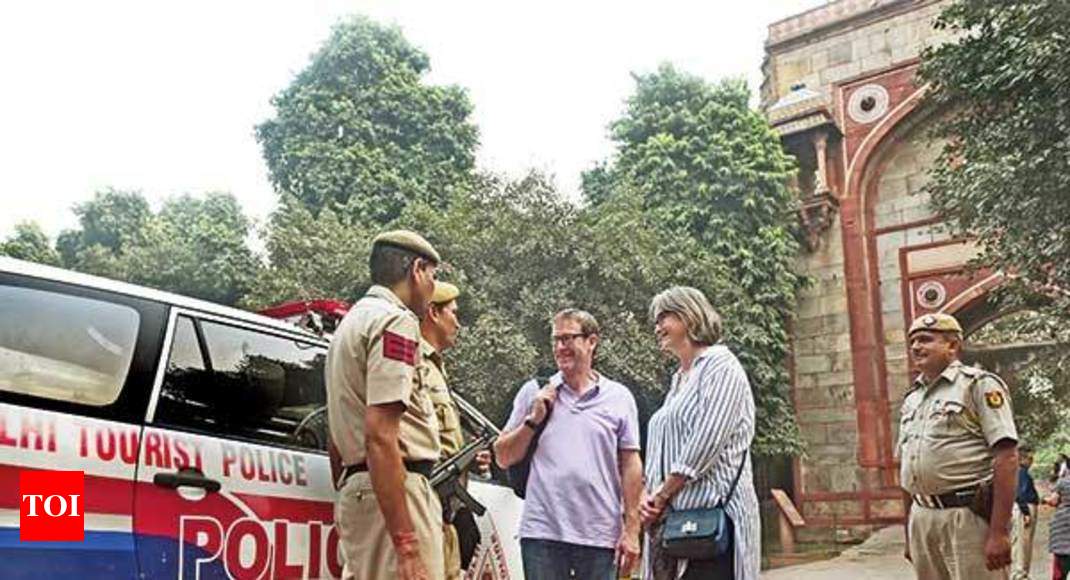
In cities that tourists frequent, policemen are trained to deal with them in a friendly manner and provide them with all necessary information and assistance. Don't hesitate to ask a policeman for help, should you need it.

There are many police stations in all cities and towns and if you walk in, policemen will be eager to assist you. Like I have stressed in many sections here – Never approach the wrong people.

India is known to be one of the safest countries in the world for the foreign tourist but then you need to do your bit too.

The hotline for the Police control room in India is – 112 which is the equivalent of 911.

Public Transport

Image result for double decker buses and taxis in mumbai

Public transport in India would translate into buses, trains, trams in Kolkata (Calcutta), monorail in Mumbai, taxis and auto rickshaws. Some cities like Mumbai (Bombay) and Chennai (Madras) have an excellent local train network that is often used by tourists. State operated city bus services are available in all cities and are pretty frequent, providing efficient service.

Try to avoid morning and evening rush (office) hours or you could get pushed around. For the rest of the day however, buses and trains are relatively free of rush hour traffic and can be a cheap and efficient means of transport. Using local buses and trains is also an excellent way to gain a first hand experience of life in any city. Trains have a separate ladies compartment. Beware of pickpockets and do not pay attention to anyone trying to distract you. Keep an eye on your belongings at all times.

While hiring taxis or auto rickshaws it is advisable to fix the fare in advance. Do check the distance and approximate fare at your hotel or shops in the vicinity to get a fair idea before you hire one. Pay accordingly. Do not insist on the meter, or else, you will certainly reach your destination but not necessarily by the shortest route and the lowest fare. Also true, is that many cabbies and rickshaws manipulate their meters, and even locals seldom go by them. 

You may also use a taxi service like Uber and Ola, but there have been many cases of sexual assault by drivers. Public transport is much safer.

Traveling long distance by train is an experience in itself. Rail travel in India is cheap and second class rail tickets in India cost just a few hundred rupees even if you travel from one end of the country to the other. First class rail fare is very expensive, sometimes even more than airfare, and is used mostly by the affluent class 

On an inter city journey, if you really want to connect with people, I would strongly suggest you use the second class train compartment, because that’s where all the fun is. You’ll find a lot of middle class families here, and some kind of kinship develops between passengers in a compartment, some of whom may even share meals and snacks they have brought along with you. 

Make sure you carry air pillows, sheets, regular medication and other items you might need in your hand luggage. It’s also a good idea to carry a high beam torch and spare batteries wherever you travel. 

Luggage – You won’t really have a problem with theft in trains as a lot of decent passengers travel with you and will provide you with all assistance. But the railways do provide a hook next to your seat in the lower berths where you could fasten your luggage using a bicycle chain lock. That said; never leave your luggage in someone else’s care. If you need to answer nature's call on railway platforms or at bus terminals, it is recommended that you leave your luggage in the ticket collector or station master’s room or one of their offices. Always inform them of your purpose of doing so.

If you have to use buses for long distance road travel, you may use state government luxury buses. These are priced higher than ordinary buses but are comfortable, better maintained and used by most middle class Indians. Many state governments now also operate luxury Volvo buses for long distance travel, so do enquire at the counter. Volvo buses are air conditioned, luxurious and expensive by local standards, but you should find them reasonably priced and it’s worth your money. Do carry enough supplies of drinking water and light snacks to last you through your rail or road journey

It is advisable to book rail and bus journeys in advance. Your may do this yourself, or else your hotel will do it for you in exchange for a small fee. Tickets are computerized and carry all information about your journey including the fare

Long distance bus tickets are available at outstation bus terminals and train tickets at railway stations that service outstation trains. Please carry sufficient change. Reservations for rail journeys can be made online from anywhere in India or in your own country, either through your travel agent or the Indian Railways website, where you can pay using your credit card. 

But booking directly from the counter is more interactive and often a better option. There is no different fare for foreigners.

Kindly confirm all train tickets at least one day before your journey. Bus tickets need no confirmation.